Vendor: KOSTER
KOSTER CREAM COLOR ALLEERBE LIGHT BLONDE COPPER 9.4

Vendor: KOSTER
KOSTER CREAM COLOR WITH GRASS SLATE 5.78

Vendor: KOSTER
KOSTER CREAM COLOR ALLEERBE GOLDEN MAHOGANY BLONDE 7.53

Vendor: KOSTER
KOSTER CREAM COLOR ALLEERBE CASTANO PURPORA 4.62

Vendor: KOSTER
KOSTER CREAM COLOR ALLEERBE GOLDEN BLONDE IRISE 7.32

Vendor: KOSTER
KOSTER CREAM COLOR ALLEERBE BLONDE LED 7.12

Vendor: KOSTER
KOSTER CREAM COLOR ALLEERBE DARK BLONDE COPPER MAHOGANY 6.74

Vendor: KOSTER
KOSTER CREAM COLOR ALLEERBE POLAR GOLDEN BLONDE 12.03

Vendor: KOSTER
KOSTER CREAM COLOR WITH NACRE' HERBS 101

Vendor: KOSTER
KOSTER CREAM COLOR ALLEERBE INTENSIFIERS RED VIOLET 065

Vendor: KOSTER
KOSTER CREAM COLOR ALLEERBE HEMATITE 4.78

Vendor: KOSTER
KOSTER CREAM COLOR ALLEERBE GOLDEN BLONDE MAHOGANY 7.35

Vendor: KOSTER
KOSTER CREAM COLOR ALLEERBE COPPER BLONDE INTENSE 77.44

Vendor: KOSTER
KOSTER CREAM COLOR ALLEERBE DARK BLONDE GOLDEN MAHOGANY 6.53


Vendor: KOSTER
KOSTER CREAM COLOR ALLEERBE FIRE RED 6.66

Vendor: KOSTER
KOSTER CREAM COLOR ALLEERBE LIGHT BROWN GOLDEN MAHOGANY 5.53


Vendor: WELLA PROFESSIONALS
WELLA COLOR EXPRESS TINTA CAPELLI 10 MINUTI

Vendor: WELLA PROFESSIONALS
WELLA KOLESTON PERFECT ME INTENSE COPPER 0/44


Vendor: WELLA PROFESSIONALS
WELLA KOLESTON PERFECT ME PURE NATURALS - TINTA CAPELLI

Vendor: WELLA PROFESSIONALS
WELLA KOLESTON PERFECT VIBRANT REDS BLONDE DARK INT.MOG.VIO 66/56

Vendor: WELLA PROFESSIONALS
WELLA KOLESTON PERFECT ME GOLD 0/30

Vendor: WELLA PROFESSIONALS
WELLA KOLESTON PERFECT ME NEUTRAL 0/00
Vendor: L'OREAL PROFESSIONNEL
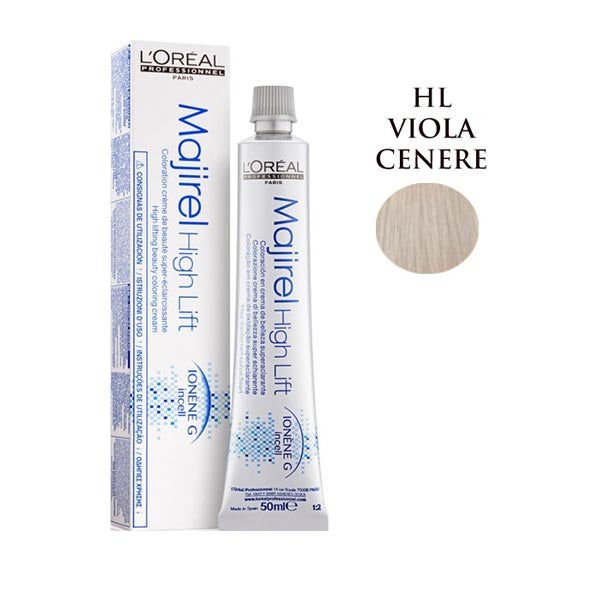
L'OREAL PROFESSIONNEL MAJIREL HIGH LIFT PURPLE ASH

Vendor: L'OREAL PROFESSIONNEL
L'OREAL PROFESSIONNEL LUOCOLOR PERMANENT COLOR 4.5

Vendor: L'OREAL PROFESSIONNEL
L'OREAL PROFESSIONNEL MAJIREL COOL COVER LIGHT BLONDE 9


Vendor: L'OREAL PROFESSIONNEL
L'OREAL PROFESSIONNEL MAJIREL LIGHT BLONDE PLAT BEIGE GOLD 10.31

Vendor: L'OREAL PROFESSIONNEL
L'OREAL PROFESSIONNEL MAJIREL LIGHT BROWN NAT IRISE DOR 5,023

Vendor: L'OREAL PROFESSIONNEL
L'OREAL PROFESSIONNEL MAJIREL COOL COVER LIGHT BLONDE 10

Vendor: L'OREAL PROFESSIONNEL
L'OREAL PROFESSIONNEL MAJIREL NATURAL BLONDE IRID COPPER 7,024

Vendor: L'OREAL PROFESSIONNEL
L'OREAL PROFESSIONNEL LUOCOLOR PERMANENT COLOR 5.64

Vendor: L'OREAL PROFESSIONNEL
L'OREAL PROFESSIONNEL MAJIREL HIGH LIFT INTENSE ASH


Vendor: L'OREAL PROFESSIONNEL
L'OREAL PROFESSIONNEL MAJIREL DEEP COPPER BLONDE 7.44

Vendor: L'OREAL PROFESSIONNEL
L'OREAL PROFESSIONNEL MAJIREL DARK BLONDE MOCHA 8.8


Vendor: L'OREAL PROFESSIONNEL
L'OREAL PROFESSIONNEL MAJIREL BLONDE BROWN MOCHA 7.8

Vendor: L'OREAL PROFESSIONNEL
L'OREAL PROFESSIONNEL MAJIREL LIGHT BLONDE COPPER 8.04


Vendor: L'OREAL PROFESSIONNEL
L'OREAL PROFESSIONNEL MAJIREL ASH BROWN MAHOGANY 4.15
HAIR DYE
Hair Dyes: How to Choose and How to Apply Them
Tre Pi Profumerie offers hair dyes and colours from the leading brands, from permanent formulas to tone-on-tone, right through to fantasy colours. Free shipping over € 79,90, free samples with every order, returns within 14 days. Physical shop in Marcianise (CE) and phone support to help you choose the right shade.
Our top brands: Fragrances, Hair, Make-Up, Skin Care
Take care of yourself
Pick up where you left off
They talk about us